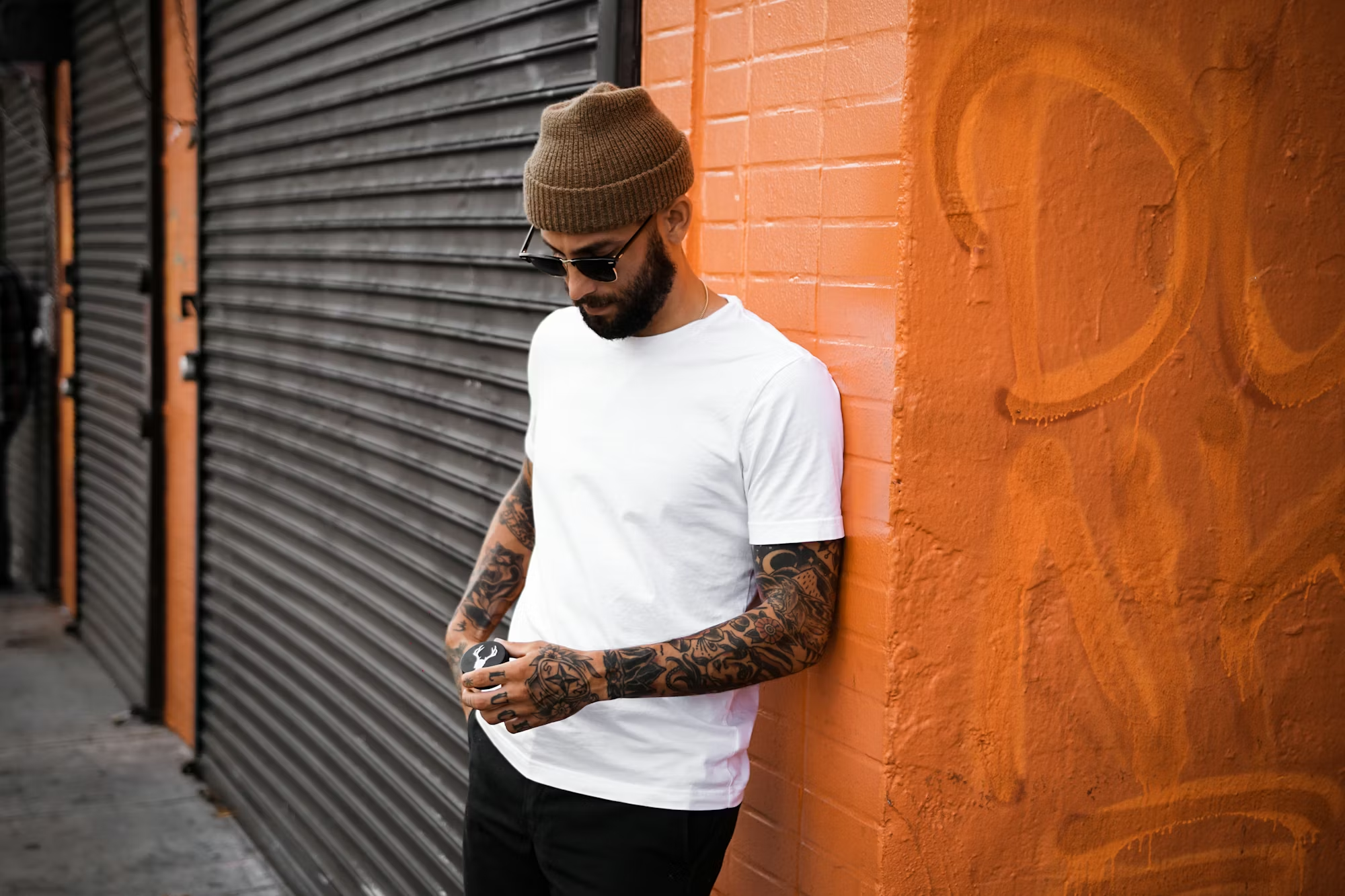
Casual wear has evolved significantly over the decades, transforming from simple, functional attire to a dynamic expression of personal style. In a world where comfort is often prioritized, casual fashion has become a staple in everyday wardrobes, reflecting societal shifts and lifestyle changes. This article explores the roots of casual wear, its current trends, and how it merges comfort with a sense of style that resonates with modern sensibilities.
The Origins of Casual Wear
The concept of casual wear can be traced back to the mid-20th century when societal norms began to shift. Post-World War II, there was a growing emphasis on comfort and practicality. The rise of leisure activities led to a demand for clothing that allowed for movement and ease. Denim jeans, t-shirts, and relaxed fits gained popularity, laying the groundwork for what we now recognize as casual fashion.
By the 1960s and 1970s, casual wear had become a symbol of youth culture, embodying rebellion and self-expression. Icons like James Dean and Audrey Hepburn popularized looks that combined simplicity with flair, inspiring generations to embrace casual styles. This era marked the beginning of casual fashion’s transformation into a significant aspect of personal style.
The Casual Revolution: 1980s to 2000s
The 1980s and 1990s saw a further evolution of casual wear, influenced by the rise of street culture, hip-hop, and punk movements. Oversized silhouettes, graphic tees, and athletic wear became emblematic of this period, reflecting the desire for individuality. Brands like Nike and Adidas popularized sporty aesthetics, blurring the lines between athletic wear and everyday fashion.
As the new millennium approached, casual wear continued to diversify. The introduction of fast fashion allowed consumers to access trendy styles at an unprecedented pace, making it easier to experiment with different looks. However, this surge in options also raised concerns about sustainability and the impact of disposable fashion.
The Intersection of Comfort and Style
Today, casual wear is characterized by its seamless blend of comfort and style. The rise of athleisure, a trend that combines athletic apparel with everyday clothing, exemplifies this fusion. Leggings, joggers, and stylish sneakers are not just for the gym anymore; they have become fashion staples that offer both functionality and aesthetic appeal.
Athleisure has gained popularity due to its versatility. Consumers appreciate the ability to transition effortlessly from workout to social settings without sacrificing style. Brands like Lululemon and Gymshark have capitalized on this trend, creating pieces that prioritize comfort while incorporating stylish designs and flattering fits.
Sustainable Casual Fashion
In recent years, sustainability has emerged as a key consideration in the world of casual wear. As consumers become more aware of the environmental impact of fast fashion, many are seeking brands that prioritize eco-friendly practices. Sustainable materials, ethical production methods, and transparent supply chains are now essential factors influencing purchasing decisions.
Brands like Everlane and Reformation are leading the way in sustainable casual fashion, offering stylish pieces made from recycled or organic materials. This shift towards sustainability not only reflects a growing awareness of environmental issues but also highlights the importance of quality over quantity in building a wardrobe.
Casual Wear in the Digital Age
The digital age has transformed how we approach casual fashion. Social media platforms like Instagram and TikTok play a crucial role in shaping trends and influencing consumer choices. Influencers and fashion enthusiasts showcase their unique takes on casual wear, encouraging others to experiment with their styles.
Moreover, online shopping has made it easier than ever to access a wide range of casual styles. With just a few clicks, consumers can explore various brands, styles, and price points, allowing for a more personalized shopping experience. This accessibility has empowered individuals to curate wardrobes that reflect their personal taste and lifestyle.
Embracing Individuality Through Casual Fashion
Casual wear allows for self-expression and creativity. The versatility of casual clothing means that individuals can mix and match pieces to create outfits that resonate with their personalities. Whether it’s layering a vintage graphic tee with tailored joggers or pairing oversized sweaters with stylish boots, the possibilities are endless.
Fashion has become a means of storytelling, where each outfit reflects not just current trends but also personal experiences and cultural influences. Casual wear offers a canvas for this expression, allowing individuals to experiment and showcase their unique identities.
Conclusion: The Future of Casual Wear
As we look ahead, the future of casual wear seems bright and ever-evolving. The ongoing fusion of comfort and style, coupled with a commitment to sustainability, will continue to shape the industry. As consumers seek authenticity and individuality, casual fashion will remain a vital aspect of personal expression.
In a world where the boundaries between comfort and style blur, casual wear stands as a testament to the evolving nature of fashion. It encapsulates a lifestyle that values ease and creativity, encouraging individuals to embrace their unique styles while prioritizing comfort. As trends continue to change, one thing remains clear: casual wear will always hold a special place in our hearts and wardrobes.